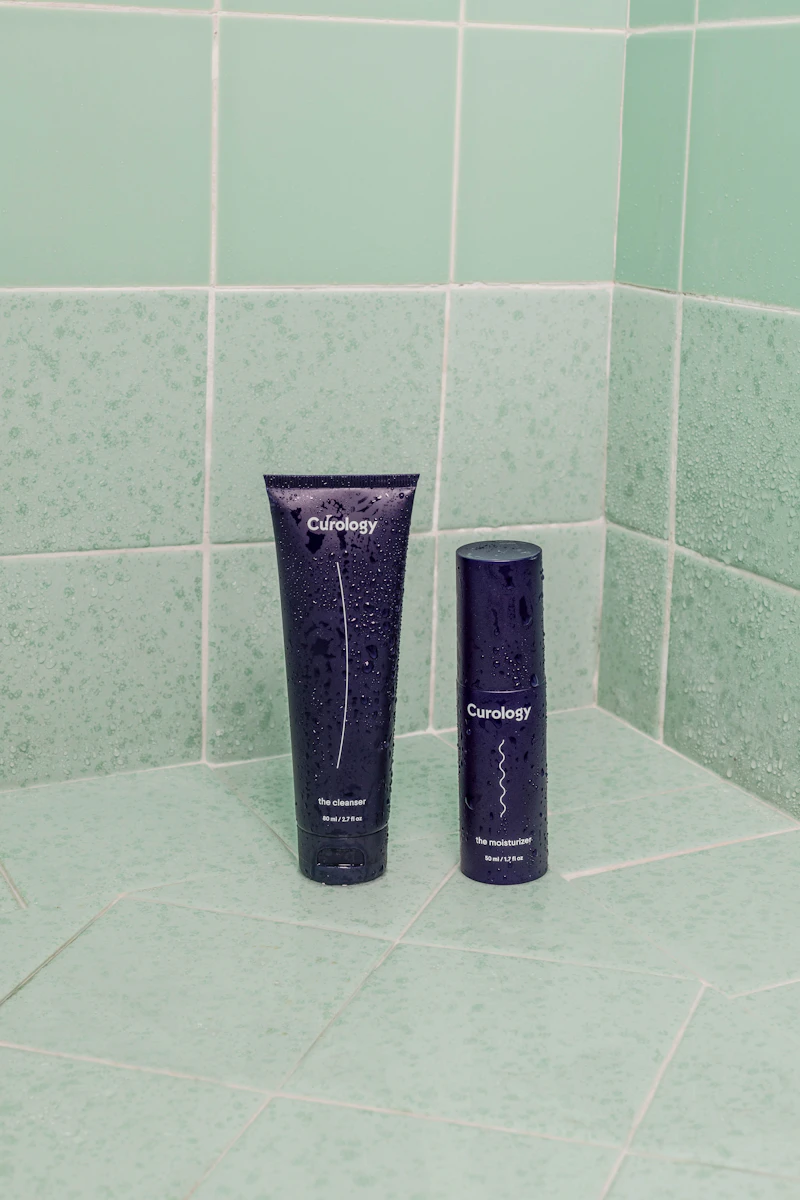
Sustainable Skincare Trends 2026: Natural Peptides and Repair
In 2026, sustainable skincare emphasizes natural peptides and advanced repair mechanisms, integrating biotechnology with eco-friendly practices to address biological aging while minimizing environmental impact. These trends focus on multifunctional ingredients derived from fermentation and biotech processes, promoting skin longevity through targeted cellular communication and barrier restoration.
"Embracing peptide-centric, microbiome-nurturing routines cultivates a luminous, resilient canvas where firmness blooms, texture refines, and vitality radiates from within."

Clinical Study: Up to 354% Improvement in Skin Appearance
🔥 GET THE RESULTS HERE 🔥2026 Skincare and Anti-Aging Trends
The skincare landscape in 2026 shifts toward science-led minimalism, where fewer, high-performance ingredients deliver multiple benefits in streamlined routines. Central to this evolution are sophisticated peptide architectures that move beyond isolated compounds to multi-functional complexes targeting repair pathways, collagen support, and firmness. Biotechnology innovations, such as precision-fermented peptides, ceramides, and exosomes, enable sustainable production with lower resource use, supporting microbiome balance and reducing ecological footprints.
Skinimalism drives formulations that combine hydration, barrier repair, and anti-aging in single products, aligning with consumer demands for efficacy without excess. Longevity-focused actives like neuro-calming peptides and those enhancing microcirculation reflect a broader "metabolic beauty" approach, where biotech transitions from clinical settings to daily use. Enhanced barrier repair through peptide combinations outperforms traditional ingredients, fostering resilient skin against stressors. This sustainable paradigm prioritizes lab-engineered, plant-derived, or fermented alternatives to synthetic materials, ensuring performance alongside planetary respect.
Biological Aging Mechanisms
Skin aging involves interconnected processes that compromise structure and function over time. Collagen loss begins in the mid-20s, reducing dermal density and leading to wrinkles and sagging as fibroblasts produce less of this supportive protein. Oxidative stress from environmental factors generates free radicals, damaging cells and accelerating breakdown of collagen and elastin.
Barrier damage disrupts the stratum corneum, allowing moisture escape and irritant entry, which weakens defense and heightens sensitivity. Microbiome imbalance occurs when harsh products disrupt beneficial bacteria, impairing protection and contributing to inflammation. These mechanisms compound, manifesting as thinning, dullness, and uneven texture, but topical routines can intervene by signaling repair and restoration.
How Peptides and Active Ingredients Work
Peptides are short amino acid chains that act as signaling molecules, instructing skin cells to perform specific tasks like collagen synthesis or inflammation reduction. In simple terms, they mimic natural messengers, penetrating the skin to communicate with fibroblasts and keratinocytes, prompting repair without invasive methods.
Natural peptides, often biotech-derived, target multiple pathways: some boost collagen and elastin production, others neutralize oxidative stress via antioxidant enzymes like superoxide dismutase. Barrier-supporting actives, including ceramides, cholesterol, and sphingolipids, rebuild lipid architecture, while niacinamide and sodium PCA restore natural moisturizing factors. Fermentation-produced postbiotics maintain microbiome harmony by feeding beneficial microbes.
Copper tripeptide, for instance, aids wound healing and soothes inflammation while supporting matrix proteins. These ingredients work synergistically; peptides orchestrate cellular responses, while fermented lipids provide structural reinforcement. In routines, they enable "collagen banking," protecting new fibers for lasting elasticity. For concerns like thinning skin, routines incorporating these can enhance plumpness through consistent repair signaling, as explored in guides on how to plump thinning skin on face.
Topical Skincare Routines Addressing Aging Mechanisms
Effective 2026 routines are minimalist yet potent, layering cleanser, targeted serum, and moisturizer. Morning begins with gentle cleansing to preserve microbiome, followed by a peptide serum signaling collagen production against oxidative stress. Antioxidant-rich applications neutralize free radicals, while broad-spectrum protection shields the barrier.
Evening routines emphasize repair: peptides encourage overnight fibroblast activity to counter collagen loss, paired with barrier lipids sealing hydration. Weekly masks with fermented actives restore microbiome balance, reducing imbalance-induced inflammation. Consistency matters; peptides accumulate effects by modulating gene expression for sustained firmness.
For stretch mark concerns, peptide-driven topicals offer non-invasive repair, serving as the best alternative to laser stretch mark removal in 2026, promoting dermal remodeling gently. Building routines around these prioritizes sustainability, using upcycled or low-impact sources.
Comparison of Common Peptide and Active Ingredient Types
| Ingredient Type | Primary Mechanism | Key Benefits | Sustainability Aspect |
|---|---|---|---|
| Signal Peptides | Stimulate collagen/elastin synthesis | Firming, wrinkle reduction | Biotech/fermented production |
| Copper Tripeptide | Wound healing, anti-inflammation | Recovery, soothing | Naturally occurring, lab-scalable |
| Barrier Peptides | Reinforce lipid matrix | Resilience, hydration retention | Precision fermentation |
| Neuro-Calming Peptides | Reduce redness signals | Balance microcirculation | Plant-derived biotech |
| Antioxidant Peptides (e.g., with SOD) | Neutralize free radicals | Oxidative stress protection | Low-resource synthesis |
This table highlights how peptides vary in function, all contributing to holistic repair in sustainable formulations. Skinception Kollagen Intensiv exemplifies a peptide-based approach, integrating these for comprehensive anti-aging.
Compare options like those in discussions on Skinception vs HydroPeptide: Best Peptide Serum 2026 to tailor routines effectively.
Routines evolve with personalization, using AI insights for ingredient matching, ensuring peptides address individual aging drivers. Multifunctional serums reduce packaging waste, embodying 2026's blue beauty and clean label ethos with marine or fermented sources.
By focusing on natural peptides, sustainable skincare not only counters aging but fosters regenerative health, aligning efficacy with ethics.

📌 Love this guide? Save it to your board!
Pin this 2026 Sustainable skincare trends 2026: natural peptides and repair Guide to help others find it too.
