

I stared at my reflection in the harsh morning light, my fingertip tracing the same deep crease that had taken up residence at the corner of my eye. It felt like a canyon. On the bathroom counter sat a small, elegant jar that had cost me more than a nice dinner out. It was my latest “intensive” eye cream, promising to visibly smooth and dramatically reduce the very wrinkles I was scrutinizing. I’d been applying it twice a day for three months. And nothing. Absolutely nothing had changed.
I felt a familiar cocktail of frustration and foolishness. My skincare cabinet was a museum of tiny, expensive disappointments. Each one came with a new hope, a new promise from a glossy ad featuring a woman who definitely didn’t have to squint to read a menu. I’d followed every instruction, patted it gently with my ring finger, and waited for the magic. I was the perfect customer—consistent, hopeful, and desperate. Yet, I kept hitting the same wall, wondering, why my intensive eye cream for deep wrinkles isn’t working. I started to believe the quiet, nagging thought: maybe it’s just me. Maybe at 48, this is just what my face is now, and all these creams are just beautifully packaged lies.
Then, one rainy Saturday, I fell down a rabbit hole of dermatologist videos and cosmetic chemist blogs, driven by a last-ditch hope. I wasn’t looking for a new product; I was looking for an answer. And that’s when I stumbled onto a simple, almost laughably obvious piece of information. It wasn’t the cream. It was me. More specifically, it was one crucial step I’d been skipping in my otherwise meticulous routine. The moment I fixed it, everything changed.
My Skincare Cabinet Was Full of Promises, But My Mirror Showed No Change
For years, I approached my eye area with a kind of militant dedication. I invested in serums with exotic peptides, creams with gold flecks, and gels that promised to “freeze” lines on contact. I’d apply them to clean skin, morning and night, and wait. I’d lean in close after a few weeks, searching for a glimmer of improvement, only to feel that sinking sensation of defeat. The emotional toll was real. It wasn’t just vanity; it felt like my effort and investment were being met with a silent rejection from my own skin. I began to think my eye cream isn't working for wrinkles because my wrinkles were somehow “special,” deeper, more stubborn than anyone else’s.
I blamed everything—my genetics, my laughter lines, even my high expectations. The common advice is “be consistent,” and I was the poster child for consistency. Yet, my deep wrinkles remained, seemingly laughing at my collection of tiny jars. I felt stuck in a cycle of hope and letdown, convinced that the problem was either the products or my aging skin. I didn’t yet understand that consistency with a flawed method just leads to consistently disappointing results.
When I finally admitted that eye cream not helping my under eye wrinkles wasn’t a personal failure, something in me softened. I stopped treating my skin like an opponent and started treating it like a system I didn’t fully understand. That shift made room for curiosity instead of resentment.
The 'Intensive' Lie: Why My Expensive Creams Weren't Penetrating My Deepest Wrinkles
The first thing I had to accept was that “intensive” on a label is not a promise of penetration. I had no idea how my skin actually worked. I thought of it as a passive canvas that would absorb whatever expensive potion I slathered on it. I was wrong. I learned that our skin, especially the delicate, paper-thin skin around our eyes, has a brilliant, protective barrier called the stratum corneum. Its job is to keep things out—like pollutants and bacteria—but also to manage what gets in. When this barrier is compromised or simply not prepared, it can be like trying to water a garden with a hose on a layer of hard, packed dirt. The water just runs off.
This is where I discovered the first part of the “intensive” lie. Many of these rich, thick creams were sitting on top of my skin barrier, unable to deliver their ingredients to where they needed to go. The formulation matters, but so does the state of the skin it’s applied to. My deep wrinkles weren’t just surface texture; they were folds in the skin where product would pool and evaporate, never truly sinking in. I was treating a structural concern with a surface-level approach and wondering why isn't my expensive eye cream working.
I also started asking myself, am I applying eye cream wrong for deep wrinkles? The answer was more nuanced than I expected. I wasn’t rubbing too hard, and I wasn’t using the wrong finger. I was skipping a preparatory step that changed how the cream behaved. That’s why my eye wrinkles still show after cream application. The cream was doing exactly what it was designed to do on dry, unprepared skin: form a film. It wasn’t failing. It was being asked to work in conditions it couldn’t thrive in.
It's a common frustration, and many are seeking answers to why their carefully chosen products aren't delivering the promised results.
The One Crucial Step I Was Skipping (And How It Changed Everything)
The mistake was not the cream itself; it was applying it to skin that had nothing for it to hold onto. I was skipping hydration. Not moisture from a cream, but actual, molecular-level hydration. I was skipping a humectant.
Here’s what I was doing wrong: I would cleanse my face and, while my skin was still slightly damp, I’d go straight to my intensive eye cream. I thought I was locking in moisture. What I was actually doing was applying a heavier, often occlusive cream onto skin that wasn’t properly hydrated. Humectants like glycerin, hyaluronic acid, or even a simple hydrating toner attract water. Without that preparatory hydrating layer, my rich eye cream had little water to trap and was too dense to sink in effectively. The Tricky Tear Trough: A Review of Topical Cosmeceuticals for Periorbital Skin...
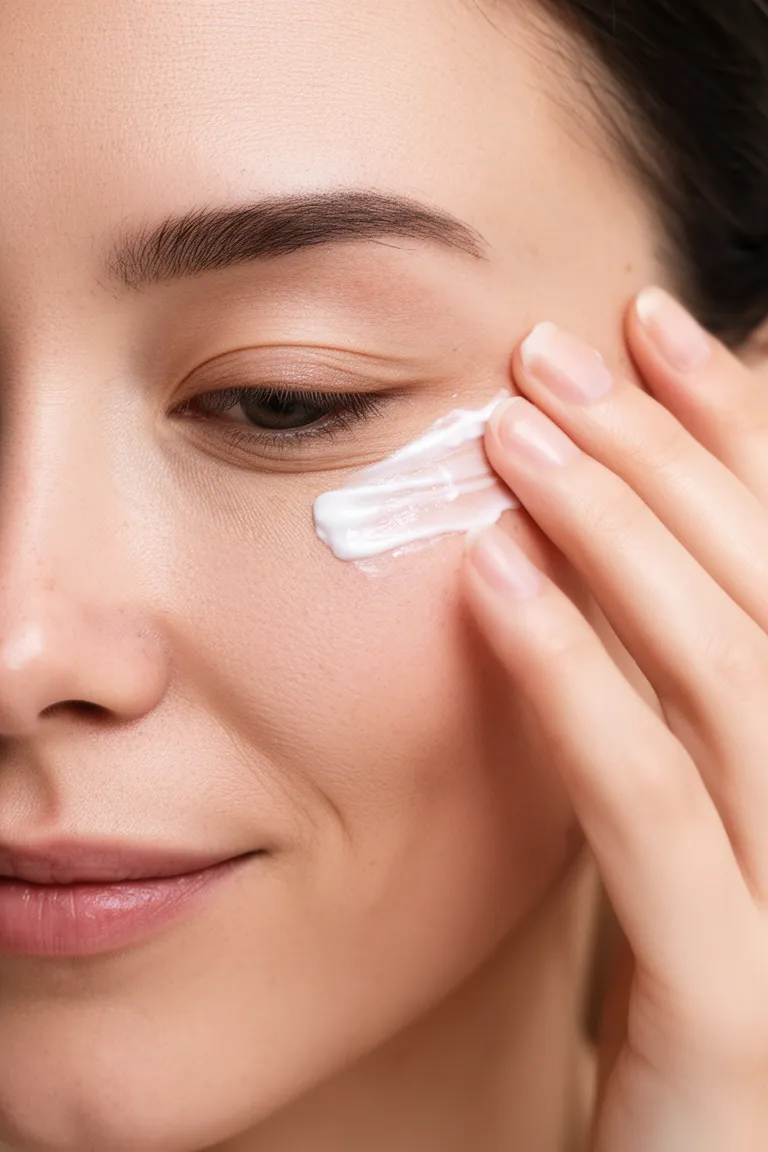
The change was stupidly simple. After cleansing, I immediately applied a single drop of a pure hyaluronic acid serum to my slightly damp under-eye area. I’d give it about 60 seconds to settle, to pull that water into my skin. Then, and only then, would I apply my intensive eye cream. The cream now had a hydrated, plumped canvas to work on and a water source to seal in. Within a week, the difference wasn’t subtle. My skin looked smoother, firmer, and those deep wrinkles appeared softened—not because they were gone, but because the skin around them was optimally hydrated.
This was the answer to how to make eye cream more effective for deep wrinkles. It was about partnership, not just power. The cream still had its job, but it finally had the right conditions to do it. I learned that hydration is not a decorative step. It is the bridge between the product and the skin.
Beyond the Cream: Holistic Habits That Amplified My Results
Once the cream started behaving better, I could finally see the other habits that had been quietly working against me. Sleep became non-negotiable. When I skimped, no amount of hyaluronic acid could defeat the puffiness and dark shadows. My eye area looked tired before my body did, and that made every wrinkle appear deeper than it really was.
I became militant about sunscreen on my eye area, using a gentle mineral formula every single day. Sun damage is the ultimate wrinkle accelerator, and I was inadvertently undermining all my nighttime repair work by skipping SPF there. The skin around the eyes is thin, and even casual sun exposure can make creases look more pronounced over time. I stopped treating sunscreen as an optional finish and started treating it as the foundation of prevention. natural ways to reduce wrinkles without Botox.
I also looked at my diet. I added more fatty fish and berries, focusing on antioxidants to fight the free radicals that break down collagen. And perhaps most importantly, I worked on my stress. I noticed that when I was tense, I’d squint and frown unconsciously, literally training my face into those deep wrinkles. A few minutes of mindful breathing or a walk didn’t just calm my mind; it relaxed my face. These habits didn’t replace my eye cream, but they created an environment where it could finally succeed.
Understanding the Difference Between Fine Lines and Deep Wrinkles
A lot of my disappointment came from using one word—wrinkle—for two very different problems. In my frustration, I’d lumped everything together. But there’s a vital distinction. Fine lines are often superficial, caused by temporary dehydration or mild sun damage. They can plump up beautifully with the right hydrating routine. Deep wrinkles, the ones that are visible even when your face is relaxed, are different. They’re caused by a lifetime of expressions and the gradual, natural breakdown of collagen and elastin.
No topical cream, no matter how “intensive,” can rebuild lost structure like a dermatological procedure can. What it can do is improve the skin’s quality, elasticity, and hydration to make those wrinkles appear less severe. My mistake was expecting my cream to erase a history of laughter and squinting. My revelation was learning to appreciate it for what it could do: beautifully maintain and improve the skin I have, making my features look refreshed, not frozen. how I tried to restore skin elasticity after 40.
This mindset shift was crucial for answering the question, does eye cream actually work for deep wrinkles? Yes, but with managed expectations—it works on them, not to delete them. The goal isn’t to turn 48 into 28. The goal is to make your skin look healthier, smoother, and more supported.
Scientific Evidence
My New Approach to Eye Care: Realistic Expectations and Lasting Results
My current routine is smaller, slower, and far less dramatic than the cabinet I used to own. Gone is the confusion. I finally stopped chasing miracles and started building a system. It begins with hydration, continues with protection, and ends with patience. If you have ever felt like I tried eye cream for deep wrinkles no results, I want you to know that the answer may not be another jar. It may be a different order of operations. why isn’t my anti-aging eye cream working for fine lines around my eyes.
| Approach | Best For | Realistic Timeline | Key Consideration |
|---|---|---|---|
| Cream Only on Dry Skin | People relying on a single rich formula | Weeks with little visible change | May sit on the barrier and feel ineffective |
| Hydrate First, Then Cream | Those with dehydrated under-eye skin | 1–2 weeks for plumpness, 4–6 weeks for softer-looking lines | Needs damp skin and consistent timing |
| Hydration Plus Daily Protection | Persistent creases affected by sun and stress | 8–12 weeks for steadier improvement | Sunscreen, sleep, and stress habits matter |
| Professional Structural Support | Deep static folds not improved by topicals | Varies widely | Requires guidance from a qualified professional |
The Nighttime Reset
At night, I start with a gentle cleanse. I pat my face dry, but not fully. While my skin is still dewy, I press a hydrating toner onto my eye area. Then comes one tiny drop of hyaluronic acid serum, patted in gently. I wait. I let my skin drink. Finally, I take a rice-grain-sized amount of my intensive eye cream and press it gently over the hydrated area, never dragging.
The Daytime Shield
In the morning, I splash with water, apply a vitamin C serum, let it absorb, and then follow with the same hydrating serum and eye cream step. The grand finale is always a mineral sunscreen patted over my entire face, including my eyelids. This routine addresses penetration, protection, and prevention. It’s the antidote to feeling like the product is failing you when the real issue is the environment you’re creating for it.
When to Consider Professional Guidance
If you fix the basics and still feel stuck, that doesn’t mean you failed; it means the problem may be deeper than a topical can reach. My personal discovery solved a major application flaw, but it also gave me the clarity to know when something is beyond my at-home toolkit. If you’ve corrected your routine, prioritized hydration and SPF for several months, and are still deeply dissatisfied with static, deep wrinkles, it might be time to talk to a dermatologist.
Treatments like prescription retinoids, peptide growth factors, or even in-office procedures like laser or tiny amounts of filler are designed for structural collagen loss in a way topical creams simply aren’t. Consulting a pro isn’t a failure of your routine; it’s an informed escalation. It’s acknowledging that while what to do when eye cream doesn't work often starts with technique, it sometimes ends with advanced science. And that’s perfectly okay.
Frequently Asked Questions
Q: How long did it take for you to see real results after fixing your routine? A: The hydration effect was almost immediate—within a few days, my skin looked plumper and less tight. For noticeable improvement in the appearance of my deep wrinkles, it took a consistent 4–6 weeks of the new routine. Skincare is gradual improvement, not instant transformation.
Q: Can I just mix hyaluronic acid serum into my eye cream instead of layering? A: I don’t recommend it. Formulations are carefully balanced, and mixing can dilute active ingredients, alter the preservative system, and reduce the efficacy of both products. Layering them in the correct order—hydrating serum first, cream after—ensures each one works as intended on your skin.
Q: What should I look for in a hydrating serum or toner to use before my eye cream? A: Focus on simple, gentle formulas with proven humectants such as hyaluronic acid, glycerin, sodium PCA, or panthenol. Avoid heavy fragrances or essential oils in this step, because the eye area is so sensitive. The goal is pure, effective hydration, not a complicated treatment.
Q: Is this approach safe for very sensitive skin or conditions like rosacea around the eyes? A: Proceed with extra caution. The principle of “hydrate first” is still sound, but product choice is critical. Opt for serums and creams labeled for sensitive skin, free of common irritants like fragrance, alcohol, and strong acids. It’s always wise to patch test a new product on your jawline for a few days before using it near your eyes.
Q: I wear makeup. How do I fit this layering into my morning routine without causing pilling? A: Timing is key. Apply your hydrating serum to damp skin, then give it a full minute to absorb. Follow with your eye cream, pressing it in gently. Then wait another 2–3 minutes before applying makeup or sunscreen. This allows each layer to properly set and dramatically reduces pilling. If your usual cream is too rich, a lighter gel-based formula may work better in the morning.
Q: Should I stop using my intensive eye cream if it didn’t work before? A: Not necessarily. I kept using the same cream after I corrected the application method, and it performed very differently. Before replacing a product, give it a fair chance with the right routine: hydrate first, apply gently, and allow several weeks. If it still doesn’t suit your skin, then consider a different formula.
📌 Love this guide? Save it on Pinterest!
Pin Eye Cream Not Working? The 2026 Secret to Smoother Under-Eyes! to your board so you can come back to it later.

