
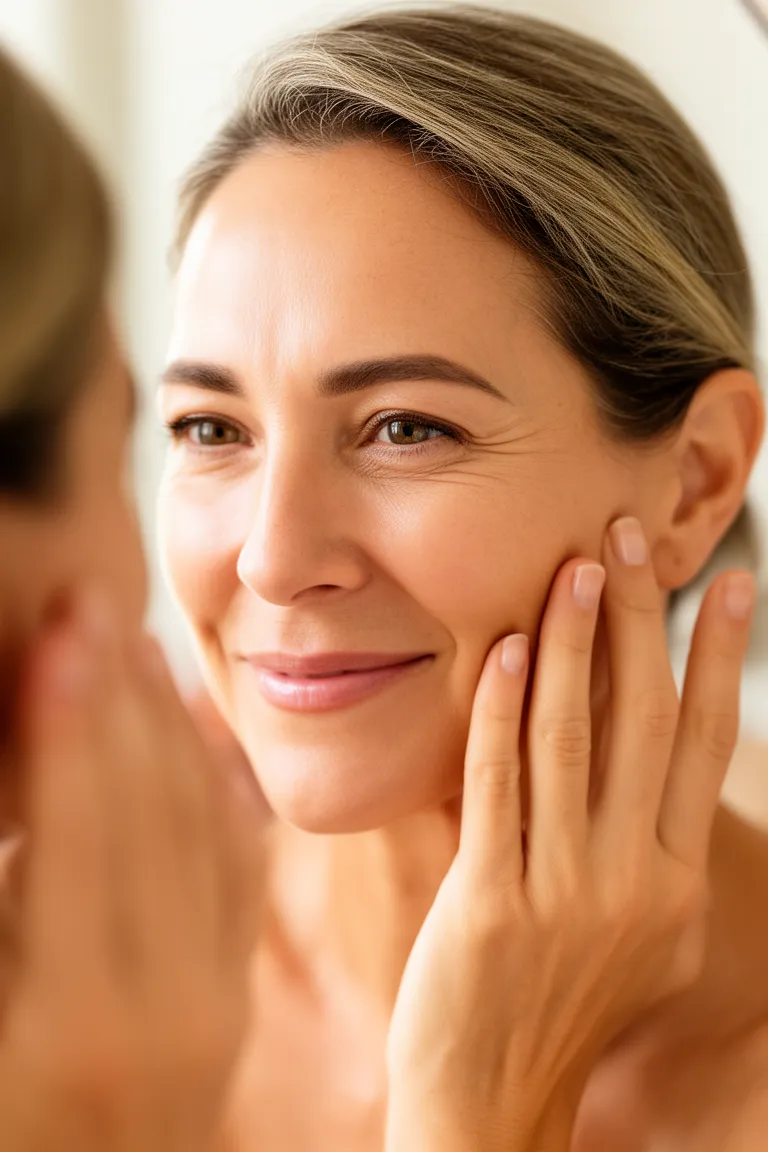
I was so proud of myself. There I was, at 38, finally committing to the “serious” step in anti-aging that every dermatologist and beauty editor swore by. I had my sunscreen, my gentle cleanser, my rich moisturizer. Adding a retinol cream for the fine lines around my eyes felt like graduating to skincare adulthood. I was going to be proactive, not reactive. I followed the advice to a T: a pea-sized amount, only twice a week, layered over moisturizer to buffer it. I waited for the glow.
Instead, I got a blaze. It wasn't a gradual thing. It was a Tuesday morning, three weeks in, when I looked in the mirror and saw a stranger with a tight, shiny, tomato-red mask where my face used to be. The skin around my eyes and mouth felt like parchment, flaking off in tiny, desperate sheets. The cruelest part? Those fine lines I wanted to soften now looked deeper, etched into dry, angry skin. I felt betrayed. I’d done everything right, and my reward was looking more tired, more irritated, and more self-conscious than before I started. I wasn't just dealing with sensitive skin; I was nursing a wounded ego. If the gold-standard anti-aging ingredient was off the table, did that mean I just had to accept wrinkles? The search for the best dermatologist-approved anti-wrinkle cream when retinol irritates my face became my mission—not to force my skin to tolerate something, but to find something that would work with it.
The Night Retinol Made My Fine Lines Look Worse
I remember the exact moment I knew it wasn't just "purging." I had a video call with a friend, and her first words were, "Whoa, are you okay? Your face looks really…windburned." My heart sank. I'd spent the day feeling a persistent, low-grade burn, like a sunburn from the inside out. The flaking wasn't gentle dryness; it was a visible barrier disruption that made my foundation look cracked and terrible. I realized then that the promised "retinol uglies" weren't an ugly-but-necessary phase for me. This was my skin screaming.
What I didn't understand at the time was that the irritation itself was making my fine lines more prominent. When your skin barrier is compromised and dehydrated, every little line and crease becomes exaggerated. The redness created shadows, and the tight, flaky texture highlighted every imperfection. I was trying to solve one problem and had accidentally created a bigger, more visible one. The psychological hit was real. It felt unfair to be following expert advice and ending up worse off. I learned the hard way that for some of us, redness and peeling aren't a rite of passage—they're a clear sign to stop and listen to your skin.
Redness, Peeling, and the Barrier Breakdown
The burning wasn't just surface-level discomfort; it was a signal that my skin's protective layer was compromised. This barrier, made up of lipids and cells, is like the mortar between bricks. Retinol, by speeding up cell turnover, can dissolve that mortar if your skin isn't ready for it. Once it's weakened, moisture escapes and irritants flood in, leading to that cycle of tightness, flakes, and stinging. My experience with retinol alternatives for sensitive skin and wrinkles began with the humbling task of just repairing that wall.
When Irritation Masquerades as Aging
In that state, my skin didn't just feel older; it looked older. The dehydration made my under-eyes look crepey, and the overall inflammation gave my complexion a dull, rough texture. It was a brutal irony: using an anti-aging product that temporarily accelerated the very signs of aging I feared. This is why, when retinol burns my face, I now know the first step isn't to find another cream—it's to restore calm. Pushing through would have only dug the hole deeper.
What I Learned About Retinol Alternatives for Sensitive Skin
After my skin calmed down—a process that took a full month of the most boring, gentle skincare imaginable—I was left with my original problem and a new layer of skepticism. I started digging, talking to a dermatologist, and falling down research rabbit holes. I discovered a whole world of ingredients that come with dermatologist-approved anti-wrinkle potential but with a gentler reputation. This wasn't about finding a "weak" retinol; it was about finding a different path.
My research kept pointing to a few key players, each with a different job description. Understanding them helped me stop looking for a single hero and start looking for a supportive team.
Bakuchiol: The Gentle Communicator
Hailed as a plant-based alternative, bakuchiol was the first ingredient that gave me hope. It works differently than retinol; instead of binding directly to receptors, it seems to gently encourage your skin to behave in a more youthful way—boosting collagen, smoothing texture—but without the aggressive exfoliation. Studies show it can deliver similar benefits to retinol for fine lines and elasticity, but with far less irritation. For someone whose face became red from retinol, this was a promising path. But I learned it's not a magic one-to-one swap. Its true power is unlocked when it's part of a thoughtful formulation.
Peptides: The Skin's Text Messengers
Peptides are short chains of amino acids, like little text messages for your skin cells. They signal your skin to produce more collagen and elastin. They don't exfoliate or cause turnover; they communicate. This makes them fantastic for improving firmness and hydration over time, and they're notoriously gentle. I think of them as the supportive, long-distance runners of anti-aging—they won't give you a sprint finish, but they build incredible endurance.
Niacinamide and Azelaic Acid: The Soothing Squad
Niacinamide (Vitamin B3) became my new best friend. It’s a multi-tasker that strengthens the skin barrier, reduces redness, improves uneven tone, and even helps control oil. It’s the ultimate team player. Azelaic acid, often recommended for rosacea, also caught my eye for its ability to tackle redness, acne, and post-inflammatory dark spots simultaneously. These ingredients don't just fight wrinkles; they create the calm, even-toned canvas where anti-aging results can actually be seen.
Vitamin C and Retinaldehyde: The Potent but Precarious
I also explored slightly more potent options, but with extreme caution. Vitamin C is a brilliant antioxidant that protects against environmental damage and brightens, but certain forms (like L-ascorbic acid) can be acidic and irritating. Retinaldehyde is a form of vitamin A one step closer to the active form your skin uses than retinol is, so it can be more effective at lower concentrations. However, "gentler than retinol" doesn't mean "gentle." For my still-recovering skin, these were ingredients I'd only consider much later, in meticulously formulated, buffer-rich creams.
Why "Dermatologist-Approved" Means More Than a Logo on a Jar
This is where my search got real. Anyone can slap "dermatologist-tested" on a label. I wanted to understand what makes a formula truly considerate for reactive, post-retinol skin. It’s not just about the star active ingredient; it’s about everything that comes with it. A cream could have beautiful bakuchiol in it, but if it’s loaded with drying alcohol, fragrant essential oils, or harsh preservatives, my sensitive skin would still revolt.
I started looking for what I call "barrier-supporting architecture." Ingredients like ceramides, glycerin, squalane, and hyaluronic acid weren't just afterthoughts; they were non-negotiable. Their job is to cushion the active, deliver hydration, and reinforce the very barrier my retinol adventure had damaged. A fragrance-free promise moved from a "nice-to-have" to a "must-have." This shift in perspective was crucial. I wasn't just buying an anti-wrinkle cream; I was investing in a recovery serum that happened to fight wrinkles.
How I Compared the Best Dermatologist-Approved Anti-Wrinkle Creams
Armed with my new ingredient knowledge, I felt both empowered and overwhelmed. The market is full of options. So, I turned my bathroom into a mini lab and created a personal checklist. My goal was to find the best anti wrinkle cream for sensitive skin after retinol irritation for me. That meant a methodical process, not just grabbing the prettiest jar.
My Sensitive-Skin Scoring Checklist
First, ingredient vetting: Fragrance and essential oils were instant disqualifiers. I looked for formulas where calming agents (like panthenol, licorice root, or oat extract) were listed high up, not as afterthoughts. Second, texture and feel: Anything too heavy felt suffocating and risked clogging; anything too thin felt insubstantial. I wanted a creamy, emollient lotion that felt like a treatment, not a gel or a thick balm. Third, packaging: Airless pumps or opaque tubes protect delicate ingredients like vitamins from degrading in light and air. Finally, and most importantly, the patch test: The inside of my arm and a spot behind my ear became my testing grounds for a full 72 hours before anything touched my face.
This process helped me see past the marketing. A high percentage of a single active lost its shine if the formula lacked soothing counterparts. I stopped asking "Is this strong?" and started asking "Is this smart?" This was how I could evaluate if a dermatologist approved anti wrinkle cream would help if retinol irritates my face, by judging the entire ecosystem of the formula.
| Approach | Best For | Realistic Timeline for Visible Change | Key Consideration |
|---|---|---|---|
| Barrier Repair & Hydration Focus | Skin actively inflamed from retinol; needs calm before actives. | 2-4 weeks for reduced redness and flaking. | Skip anti-aging actives entirely during this phase. Focus on ceramides, glycerin, and occlusives. |
| Single Gentle Active (e.g., Peptides) | Calm but sensitive skin; cautious introduction to treatments. | 6-8 weeks for improved hydration and plumpness. | Introduce slowly (1-2x/week). Paired with a barrier-supporting moisturizer is non-negotiable. |
| Multi-Ingredient Gentle Blend (e.g., Bakuchiol + Peptides + Niacinamide) | Sensitive skin ready for targeted anti-aging without retinol. | 4-6 weeks for texture/glow; 8-12 weeks for fine lines. | Formulation balance is everything. The blend should feel soothing, not stimulating, upon application. |
| Step-Up to Potent Alternatives (e.g., Retinaldehyde) | Non-reactive sensitive skin that has built tolerance with gentler actives. | Potentially faster results (8-10 weeks), but higher irritation risk. | Requires a proven history of tolerance. Start at very low concentration and frequency. Not a first step. |
When Should a Gentler Cream Start Making a Difference?
This is the question that breeds impatience. Retinol has a reputation for dramatic, if harsh, results. Gentler alternatives work on a different timeline, and managing expectations is key. Here’s my realistic take, based on my experience and what dermatologists emphasize.
You might see improvements in hydration, texture, and radiance within 2-4 weeks. That "plump" from better moisture can make lines appear softer—a welcome psychological boost. For tangible changes in fine lines, firmness, and hyperpigmentation, you're looking at a more consistent 8-12 weeks of daily use. This is where patience and consistency become your most important skincare ingredients. I had to remind myself that I was playing the long game—not just for wrinkles, but for a resilient, healthy skin barrier that wouldn't freak out at the slightest provocation. If you're wondering if you're wasting money on retinol alternatives for sensitive skin, give it a solid three months of faithful use before you judge. The changes are subtle, cumulative, and, most importantly, sustainable.
The Sunscreen Multiplier
No conversation about anti-aging timelines is complete without sunscreen. Using the best dermatologist-approved anti wrinkle cream when retinol irritates my face is only half the battle. SPF 30 or higher every single morning is what protects your investment and prevents new damage from undoing the repair work. It’s the silent partner that makes every other product more effective.
Scientific Evidence
The First Two Weeks: Rebuilding Trust With My Skin
Introducing my chosen cream—a peptide and bakuchiol blend with a cocktail of ceramides—felt like a first date. I was hopeful but terrified of another bad reaction. I started not twice a week, but once. A tiny amount, on perfectly dry skin, followed by my thickest moisturizer. I held my breath the next morning.
No fire. No new flakes. Just…calm skin. It was the most uneventful, beautiful result I could have hoped for. Within the first week, I noticed something I hadn't felt in months: deep hydration. My skin drank it in and felt plump and comfortable all day. That temporary plumping effect actually made my fine lines look less visible immediately, which was a huge psychological win. The persistent background redness from my retinol fallout began to fade. I wasn't seeing wrinkles disappear, of course. But I was seeing my skin look healthy, balanced, and calm. For someone whose face had been red from retinol, this was a monumental shift. It proved that effective skincare shouldn't feel like a punishment.
The Routine I Could Finally Stick With Without Retinol
The biggest victory wasn't just finding a single cream. It was building a simple, sustainable routine around it that my skin loved and I could actually follow without dread. My morning routine is now about protection: a gentle cleanser (or just water), my treatment cream, moisturizer, and a mandatory broad-spectrum SPF 50. Sunscreen is non-negotiable; it's the most powerful anti-aging step I have. My evenings are for repair. I cleanse to remove sunscreen, apply my dermatologist-approved anti-wrinkle cream to my entire face and neck, and seal it with a richer moisturizer. Two nights a week, I give my skin a total break from actives—just cleanse, moisturize, and maybe a hydrating serum. This "recovery night" rhythm has been a game-changer. It prevents overload and lets my skin just be. This is the routine that made me realize I didn't have to torture my skin to care for it. It’s the answer to “what anti wrinkle cream should I use” after the burn—it’s not just a product, it’s a gentle, consistent practice.
When to Call for Backup
Even with the gentlest routine, sometimes your skin needs a professional. If, after carefully introducing a new cream, you experience persistent burning, a spreading rash, swelling, or intense itching, stop immediately. This isn't a failure; it's your skin giving you vital information. If you have conditions like rosacea, eczema, or psoriasis, starting any new active—even a gentle one—is a conversation to have with your dermatologist first. They can provide personalized guidance that no article ever could.
What Nobody Tells You About the Emotional Side of Sensitive Skin
Beyond the ingredients and routines, I had to confront the quiet frustration that came with sensitive skin. There's a feeling of being left out, of watching friends use potent acids and high-strength retinols with amazing results while you're sidelined with a red, stinging face. It can feel expensive and exhausting to search for products that don't cause problems. You start to doubt your own judgment, wondering if you're just not tough enough. Finding a cream that worked was more than a skincare win; it was an emotional reset. It validated that my skin's needs were legitimate and that effective anti-aging could be gentle. It shifted my goal from "fighting wrinkles" to "nurturing healthy skin," and the wrinkles just happened to improve along the way. That reframe—from battle to care—was the most healing part of the entire journey. It turned my sensitivity from a weakness into a guide, forcing me to listen closely and choose wisely. And that, I’ve learned, is a form of skincare wisdom that lasts a lifetime.
Frequently Asked Questions
Q: How long does it take to see real wrinkle reduction with gentler alternatives like bakuchiol or peptides? A: It's important to set realistic expectations. While you may see improved hydration and a plumper, smoother texture within a few weeks, significant improvement in the depth of fine lines typically takes consistent use for 8 to 12 weeks. These ingredients work by gradually supporting your skin's own collagen production and health, which is a slower, but more sustainable, process than the exfoliating action of retinol. Think of it as training for a marathon, not a sprint.
Q: Is bakuchiol actually worth it for sensitive skin wrinkles, or is it just hype? A: Based on my experience and the clinical studies I've read, it can be absolutely worth it—but not as a straight "swap." Bakuchiol shows promise in improving lines and elasticity with significantly less irritation, making it a fantastic option for sensitive skin. However, its true power often comes from being formulated alongside other barrier-supporting ingredients like peptides and niacinamide. Look for it as part of a thoughtful, calming blend, not just a standalone marketing claim.
Q: What should I look for in a dermatologist-approved anti-wrinkle cream for sensitive skin? A: Focus on the formula as a whole. First, ensure it's fragrance-free and essential-oil-free. Then, check that the active ingredient (like bakuchiol, a specific peptide complex, or a low concentration of retinaldehyde) is paired with proven soothing and barrier-repairing agents such as ceramides, panthenol, or squalane. The packaging should be stable (airless pumps are great). Ultimately, the best product is one you can use consistently without irritation. It should feel like a treatment, not a test.
Q: My skin is still reactive from retinol. How do I introduce a new anti-wrinkle cream safely? A: Patience is your most important ingredient. First, get your skin calm with a very basic moisturizer and cleanser for a few weeks—no actives at all. Then, introduce the new cream with a strict patch test behind your ear or on your inner arm for 72 hours. If all is clear, apply a tiny amount to just your forehead or one cheek twice a week for two weeks, always over your moisturizer as a buffer. Slowly increase frequency and area only if your skin remains calm. Listen to your skin more than the instructions on the bottle.
Q: When should I see a dermatologist instead of just trying another cream? A: If you experience persistent burning, a spreading rash, swelling, or intense itching with any new product, stop immediately and consult a professional. Also, if you have a diagnosed skin condition like rosacea, eczema, or psoriasis, it's wise to talk to your derm before starting any new anti-aging active. They can provide personalized guidance and may even have prescription-grade alternatives that are formulated for extreme sensitivity. Your dermatologist is your ally, especially when your skin feels like a mystery.
📌 Love this guide? Save it on Pinterest!
Pin Retinol Burned My Face! Best Dermatologist Creams for Sensitive Skin 2026 to your board so you can come back to it later.

