

I stared into the bathroom mirror, my morning ritual now tinged with dread. My 48th birthday was a recent memory, but the face looking back seemed to be aging at double speed. Fine lines that were once subtle whispers had deepened into sentences etched around my eyes and mouth. My skin tone, once a source of pride, looked dull and uneven. I’d always been diligent—hydration, SPF, a solid routine. Yet here I was, feeling betrayed by my own reflection. In a last-ditch effort, I’d discovered Skinception. I’d done my research, read the testimonials, felt a flicker of genuine hope. But being a practical, budget-conscious woman, I’d also done what seemed smart: I found what looked like a great deal on Amazon. That decision, I would learn over the next several frustrating months, was the single biggest mistake of my skincare journey. It wasn’t just wasting money; it was wasting my trust, my time, and my faith in ever looking and feeling like myself again. This is my story of realization—one born from authority I gained only after being vulnerable enough to admit I was wrong.
The Promise vs. My Reality: Why My Amazon Skinception Wasn't Delivering
My journey into disappointment began with the best of intentions. The initial purchase was a no-brainer. Prime shipping meant it arrived in two days, tucked between a pack of paper towels and a new phone charger. The box looked right—the logo, the colors. I tore it open with the giddy excitement of someone who believes they’ve found the solution. I followed the instructions to the letter, applying the serum morning and night with a hopeful reverence. For the first two weeks, I was hyper-vigilant, searching for any sign of change in the mirror. I’d tilt my face toward the morning light, looking for a newfound glow. By week four, I told myself patience was key; these things take time. I started taking weekly selfies, hoping to spot a subtle shift I might miss day-to-day. By week eight, a cold, hard truth settled in my stomach. Nothing. Not a subtle brightening, not a softening of a single line. The fine print of my experience buying Skinception on Amazon vs official site was a story of zero results. I’d scroll through glowing online reviews and feel a confusing mix of envy and suspicion. Was I doing it wrong? Was my skin just too far gone, beyond the help of any serum? I doubled the amount I used, thinking maybe I was being too cautious. The only thing that changed was the speed at which the bottle emptied, a constant, expensive reminder that my Skinception wasn't working from Amazon.
I’d convinced myself that "savvy" shopping was just as good. After all, the label said Skinception, didn’t it? But in my quieter moments, doubts crept in. The consistency felt a little off—a tad thinner, less luxurious than I remembered from a sample I’d tried years ago at a spa. The scent was faintly different, missing the clean, subtle botanical note I expected and replaced with something vaguely sweet and artificial. I dismissed these as variations between batches, maybe just my imagination running wild with disappointment. But the central, undeniable fact remained: my skin was on strike. The promise of a more even, youthful complexion felt like a cruel joke. The emotional toll was heavier than the financial one. Every morning application became an act of quiet resignation, a ritual of hope against mounting evidence. I’d catch my reflection at my desk under the harsh office lights and feel a pang of embarrassment, as if my skin’s failure was a personal shortcoming. I felt foolish. I’d invested not just dollars, but my emotional energy into a product that was letting me down, and I’d made that investment on a platform I trusted implicitly for everything else. It was a personal betrayal wrapped in a skincare fail, a silent erosion of confidence that happened every single day.
Unmasking the Differences: What I Discovered About Official Stores vs. Third-Party Sellers
My breaking point came during a late-night, frustrated deep-dive into skincare forums. That’s where I stumbled upon a thread titled "is Skinception on Amazon fake?" My heart sank as I read story after story that mirrored my own: inconsistent results, questionable textures, empty promises. One commenter, who claimed to have worked in cosmetics distribution, explained the crucial, invisible gap that changed my entire perspective. When you buy from an authorized, official store, the product travels in a controlled, temperature-regulated supply chain directly from the brand to you. It’s stored correctly, shipped with care, and guaranteed to be within its potent shelf life. But with third-party sellers on marketplaces, even reputable ones, that chain is murky. That bottle could have sat for months in a non-climate-controlled warehouse in the Arizona desert, been purchased as overstock from a liquidator, or worse, be a cleverly counterfeited imitation. The active ingredients in skincare are delicate; heat, light, and improper storage degrade them, rendering them ineffective before you even twist the cap. Suddenly, my underperforming serum made a terrible kind of sense. It wasn't that the formulation was flawed; it was that my particular bottle’s journey had stripped it of its power.
Armed with this new paranoia, I pulled my nearly-empty Amazon bottle from the recycle bin. I scrutinized the tiny batch code printed on the crimp of the tube. I went to Skinception’s official website, searching for a batch code checker. It didn’t exist. That was another red flag; reputable brands often have systems to verify their products. I couldn’t confirm if my bottle was expired, improperly stored, or just plain fake. The so-called "deal" I got now felt like a reckless gamble with my skin’s health. This investigation into official Skinception website vs third party sellers revealed the most critical difference: traceability. The official store offers a direct line of accountability. They control the inventory from start to finish. If there’s a problem, you contact them, not a third-party seller who may have vanished or who offers a generic "return for refund" with no concern for why the product failed. The price difference wasn't a savings; it was the cost of skipping the security, the science, and the support built into the brand’s own process. It was paying less for a mystery box instead of investing in a guaranteed result.
The Hidden Risks: More Than Just a Bad Bottle
What started as a quest for better skin became a crash course in consumer safety. I learned that the risks of buying skincare from an unverified third party extend far beyond simple inefficacy. There’s the risk of contamination if a product has been opened, tampered with, or refilled. There’s the risk of applying ingredients that have oxidized and could actually irritate your skin. I remembered the occasional, unexplained redness I’d blamed on stress or diet—could that have been from my compromised serum? Furthermore, without the brand’s direct customer service, you have no one to turn to for proper usage advice, to report a reaction, or to understand if what you’re experiencing is normal. You’re utterly alone with that bottle. This lack of a safety net, of a direct relationship with the maker, is a luxury we often don’t appreciate until it’s missing. It transforms a purchase from a partnership in your self-care into a lonely, speculative transaction.
My 'Aha!' Moment: The Subtle Signs I Missed (and You Might Be Too)
After deciding to conduct a direct comparison, I finally placed an order on the official Skinception store. When the box arrived, the differences began even before I opened the product. The official packaging was sturdier, the printing sharper and more vibrant, with a subtle gloss to the logo that caught the light. But the real shock came when I held the two serums side-by-side on my bathroom counter. The bottle from the official store had a more substantial weight, a feeling of quality in the hand. The pump was smoother, delivering a precise, consistent click with each press. The font on the label was crisper, the spacing perfect. My Amazon bottle, once accepted as normal, now looked slightly blurry in comparison, like a poor photocopy. The plastic felt lighter, cheaper. It was a visceral lesson in how to tell if Skinception is real or fake on Amazon—the devil truly is in the details. I felt a surge of anger, not just at the seller, but at myself for ignoring my instincts. I had noticed these things but had talked myself out of their significance because I wanted the cheaper option to be the right one. My desire for a deal had overridden my common sense.
Then came the sensory test. With a scientist's focus (and a consumer's heartbreak), I dispensed a drop from each bottle onto the back of my hand. The official serum had a distinct, pearlescent sheen and a slightly viscous, silky texture that warmed nicely to the touch and sank in without a trace. It had that clean, subtle, almost undetectable scent I remembered—like aloe and green tea. The Amazon serum was duller, more watery, and absorbed with a tackier finish, leaving a faintly chemical, almost plastic-like odor. The color was marginally different—more of a flat, pale yellow than a luminous pale gold. Standing there, comparing these two liquids that were supposed to be identical, my "Aha!" moment crystallized. This wasn't just about getting a subpar deal; I had been applying something to my face for months that was, at best, degraded and impotent, and at worst, a complete unknown. The absence of expected results wasn't a failure of the product's science; it was a failure of its journey to my doorstep. I had been judging Skinception based on a shadow of its true self, a ghost of a formula. It was like trying to judge a symphony by listening to a recording played on a broken speaker.
Making the Switch: My First Order from the Official Skinception Store (and the Difference I Felt)
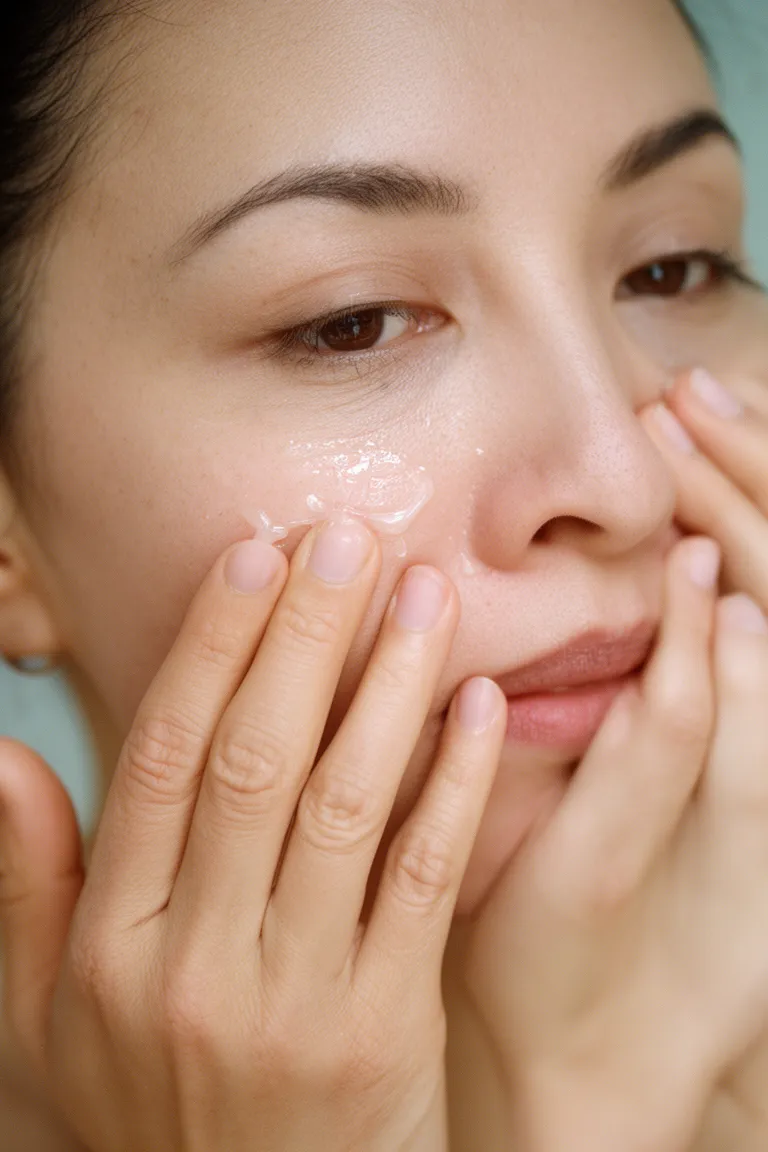
Applying the official serum that first night was a completely different experience, psychologically. There was no underlying whisper of doubt, no mental asterisk next to the action. I knew, with a bone-deep certainty, that what was on my skin was exactly what the chemists and dermatologists behind Skinception had formulated and tested. This peace of mind was the first immediate benefit, and it was transformative. I wasn't just hoping anymore; I was properly testing a proven product. The texture felt luxurious and absorbed completely without any residue, just a velvety finish. Within the first week, even before any visual changes, I noticed my skin felt different. It was plumper, more hydrated, with a bouncy resilience that had been missing. It had a healthy dewiness in the morning that my Amazon bottle had never delivered, no matter how much I applied. This wasn't a miraculous overnight transformation, but it was a clear, tangible shift. My skin was responding, engaging in the process. The act of care became hopeful again, a partnership rather than a pointless chore I performed out of stubborn obligation.
By the end of the first month, the differences were undeniable and deeply personal. The stubborn patch of hyperpigmentation on my cheekbone, a souvenir from a beach vacation years ago that hadn’t budged with the Amazon product, began to lighten. Not vanish, but soften, like a stain slowly fading from fabric. The fine lines around my eyes looked less etched, especially when my skin was hydrated—they seemed filled in from within rather than just smoothed on the surface. The overall tone was more even, less ruddy in the cheeks and less sallow around my jaw. It was the cumulative effect of consistent, daily efficacy. I finally understood what those positive Skinception official store vs Amazon reviews were talking about. The product was working as intended. The "difference I felt" was both physical and emotional. I stopped scrutinizing my skin with despair and started observing its progress with quiet pride. Even the simple act of re-ordering felt empowering—a few clicks on the official site, a confirmation email directly from the brand, and the knowledge that I was getting the authentic article, fresh and fully potent. The value of that confidence far outweighed the few extra dollars I might have saved elsewhere.
| Where You Buy | What You're Really Getting | Realistic Outcome Timeline | The Hidden Cost |
|---|---|---|---|
| Third-Party Marketplace (e.g., Amazon, eBay) | A product of unknown origin; potentially counterfeit, expired, or degraded from poor storage. | Unpredictable; may see no results or even irritation. | Wasted time, lost skin health progress, erosion of trust in the brand. |
| Official Brand Website | Guaranteed authentic, fresh product with full potency, shipped directly from controlled inventory. | 4-8 weeks for visible improvements in texture and tone. | Higher upfront price, but pays off in guaranteed efficacy and brand support. |
| Authorized Retailers (e.g., select dermatology offices, premium beauty stores) | Authentic product, but dependent on that specific retailer's storage and handling practices. | 4-10 weeks; can vary based on retailer diligence. | Requires verifying the retailer's authorized status; support may go through the store, not the brand. |
Scientific Evidence
Beyond the Price Tag: Why Investing in Authenticity is the Real Skincare Secret
This journey taught me that skincare is an investment in your future self, and like any good investment, authenticity is the bedrock. When you buy a premium product like Skinception, you're paying for precise formulations, stabilized active ingredients, and clinical research. Compromising that by chasing a discount on an unauthorized platform is a false economy. The true cost of inauthentic products isn't just the money wasted on the bottle; it's the lost time, the prolonged skin damage or stagnation, and the quiet erosion of your own confidence. My months of using a questionable product were months I could have been actively supporting my skin's health with the real thing. I now see that protecting the integrity of my skincare from source to shelf is the most important, non-negotiable step in any routine. It’s the foundation upon which all other steps—consistency, technique, complementary products—are built. Without authenticity, the entire structure is shaky.
Switching to the official store transformed my entire approach to consumption. It empowered me to be a more informed, confident consumer. I now research where I buy my skincare with the same diligence as I research the ingredients themselves. My story of my Skinception results improved after buying direct is one I share not to shame anyone for seeking a deal, but to spare others the same deep well of frustration and self-doubt I swam in for too long. Authenticity is the secret ingredient that never gets listed on the label. It's the guarantee that what you're applying is safe, fresh, and effective. It’s the direct line to Skinception customer service if you have questions about pairing products or application frequency. It’s the peace of mind that allows you to trust the process and be patient, because you know the science is intact. For anyone wondering where to buy authentic Skinception online, my hard-earned advice, forged in disappointment, is simple: go straight to the source. Your skin—and your peace of mind—are worth the full, authentic price.
The Ripple Effect: How This Choice Changed My Broader Outlook
This experience with Skinception didn't just fix my skincare routine; it altered my mindset as a consumer. I started applying the same "source-first" principle to other areas of my life—supplements, vitamins, even certain food items. I began to value transparency and direct relationships with companies. I realized that when we buy from the official source, we're not just purchasing a product; we're casting a vote for ethical business practices, for quality control, and for our own right to know exactly what we're putting into and onto our bodies. That sense of agency, of taking back control from the murky world of third-party randomness, has been incredibly empowering. It turned a moment of skincare defeat into a lasting lesson in self-advocacy.
Frequently Asked Questions
Q: Is it actually safe to buy Skinception from Amazon?
A: Based on my intense personal experience and the research I did when I was deep in my frustration, I believe it carries a significant, hidden risk. While it's possible some sellers are offering genuine products, the platform's practice of commingling inventory from different sellers means the "fulfilled by Amazon" item you get could come from anyone's stock, genuine or not. You have zero control over storage conditions (think hot warehouses) or shelf life, and customer support for product-specific efficacy issues is virtually non-existent. For a product that goes on your face every day, the potential for receiving a counterfeit, expired, or degraded item makes the official store a far safer, more reliable choice for your skin's health.
Q: How long did it take for you to see a real difference after switching to the official product?
A: The timeline was telling. With the authentic product, I noticed an immediate improvement in how my skin felt—more hydrated and supple—within the first 5-7 days. Visible changes, like a noticeable brightening of my overall tone and a softening of the finer lines around my eyes, became clear and consistent around the 4-week mark. Progressive improvement continued steadily over the next two months. This was in stark, painful contrast to the three-plus months I spent with the Amazon-sourced product, where I saw absolutely zero change, only deepening disappointment.
Q: Were the products really that different side-by-side?
A: Yes, profoundly so. When I finally had the courage to compare them, the differences were startlingly apparent. It wasn't subtle. The official packaging was superior in weight and print quality. The serum itself was different: a more vibrant color, a silkier texture that absorbed beautifully, and a clean, fresh scent. The Amazon version was dull, slightly watery, left a tacky feel, and had an off-putting odor. Placing them next to each other wasn't just a comparison; it was conclusive evidence that what I had been using before was not the real Skinception.
Q: I’m worried my current Skinception isn’t working. What should I look for?
A: First, trust your instincts. If you feel in your gut something is off, it probably is. Examine the packaging closely—is the printing crisp or slightly blurred? Is the box flimsy? Then, evaluate the product itself. Does the texture match the "silky, lightweight serum" description? Is the scent pleasant and mild, or chemically? Most importantly, be brutally honest about your results. If you've been using it consistently, twice a day, for a full 8-12 weeks with no noticeable improvement in hydration, texture, or tone, it's a powerful indicator you may not have an authentic, fresh product. Your journey might be identical to mine.
Q: Does the official store offer better customer service?
A: Without a single doubt. My one interaction with the official store’s customer service was night-and-day compared to the dead-end feeling of dealing with a third-party Amazon seller. The representative was knowledgeable about the product’s ingredients, empathetic about my concerns, and clearly invested in ensuring I had a positive experience and used the product correctly. With Amazon, you’re often just navigating a generic return portal with a faceless system. The difference is between talking to someone who cares about the brand's reputation and filing a ticket with a logistics company.
📌 Love this guide? Save it on Pinterest!
Pin My Skinception Journey: Official Store vs Amazon Results in 2026 to your board so you can come back to it later.

